




The commissioner for environment and climate change, Dahiru Hashim, says the state moved from 35th to fourth position in Nigeria’s Climate Governance Ranking within a year.
Mr Hashim disclosed this on Wednesday in Kano during an event to mark his one-year anniversary in office.
He said the improvement reflected focused leadership, deliberate institutional reforms, and sustained collaboration across government institutions and development partners.
In 2024, Kano ranked 35th out of 36 states in the country, a position he described as reflective of long-standing institutional and systemic challenges.
“At the time, it was simply a troubling data point. I did not know then that I would soon be given the opportunity to play a role in changing that story,” he said.
According to Mr Hashim, Kano’s current fourth position demonstrates that effective systems and coordinated governance can deliver measurable results when properly supported.
“This progress is not the achievement of one individual or one office. It is the result of institutions being allowed to function and people committing to their responsibilities,” he said.
He added that the state is determined to consolidate its gains while aiming to take the top position in the next climate governance ranking cycle.
Mr Hashim attributed the progress to the leadership of Governor Abba Yusuf, whom he said positioned the environment sector at the centre of public welfare, safety, and sustainable development.
Mr Hashim said the governor’s leadership restored direction and coordination across institutions, while reinforcing a governance culture based on merit, accountability, and responsibility.
He explained that over the past year, the ministry concentrated on restoring systems, enhancing coordination, and implementing practical measures across sanitation, flood mitigation, erosion control, water access, afforestation, and climate policy development.
The commissioner commended the ministry’s staff and its agencies for their commitment, describing their contributions as critical to the achievements recorded.
Mr Hashim also acknowledged the support of development partners, including the UK Foreign, Commonwealth, and Development Office through the Partnership for Agile Governance and Climate Engagement project, UNICEF, and others.
Mr Hashim emphasised that community participation remained central to sustainable environmental and climate action, noting that feedback and cooperation from residents across urban and rural areas informed planning and implementation.
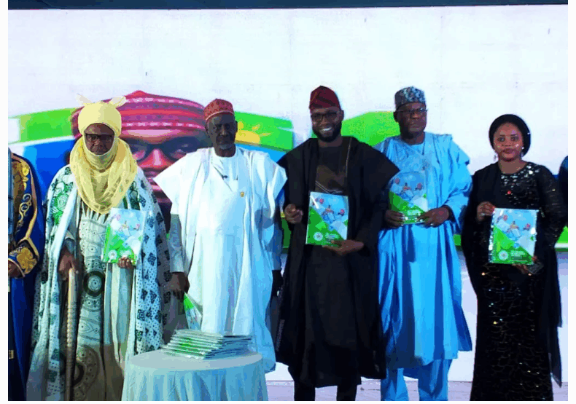
The commissioner said a publication unveiled at the event documented the reforms, institutional improvements, and lessons learned over the past year, and would serve as a reference for sustaining progress.
(NAN)