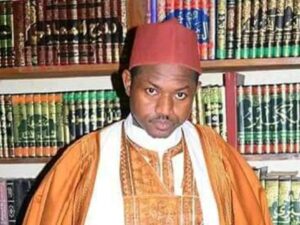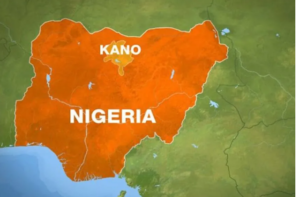

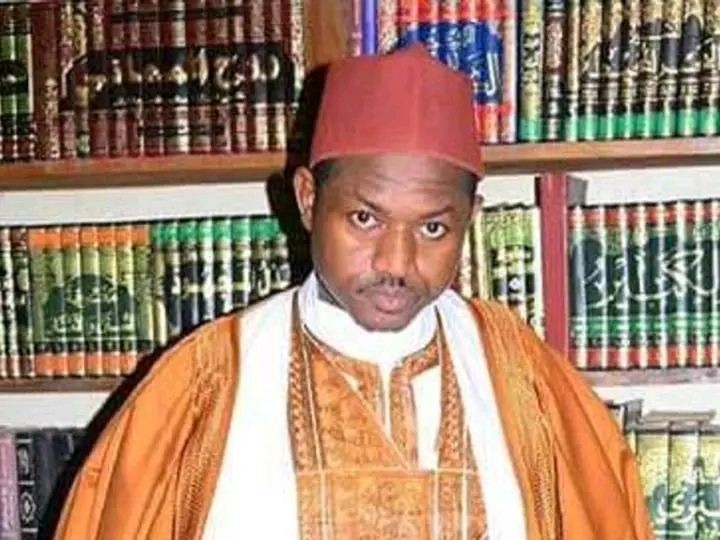
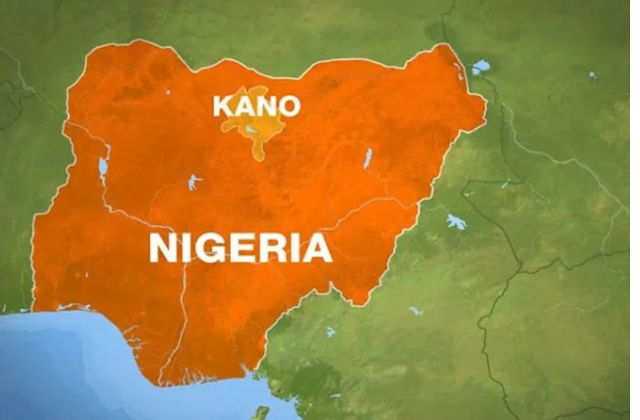
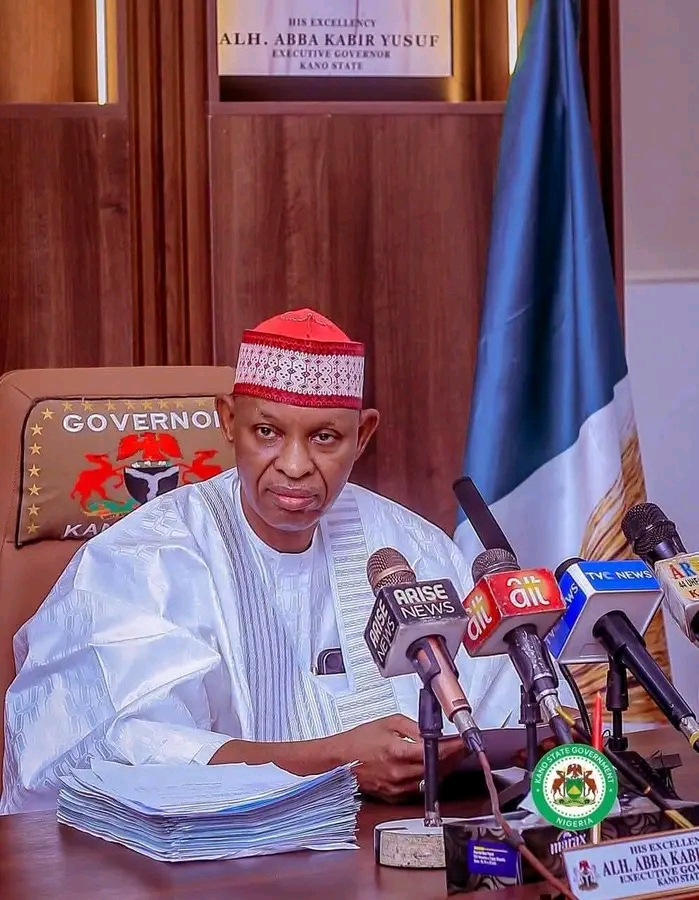
Kano-based Islamic cleric Abduljabbar Nasir Kabara has accused the Kano State Government of planning to destroy key documents related to his appeal.
The cleric, who is currently being held at Kuje Correctional Centre over a blasphemy conviction, sent an urgent petition to the President of the Court of Appeal.
In a six-page letter dated March 13, 2026, Abduljabbar said he fears important documents connected to his case could be lost if Kurmawa Prison is demolished.
The prison is where he was previously detained.
According to him, the state government plans to turn the prison into a museum.
However, he believes the move could be used to destroy records linked to his case.
“The demolition of Kurmawa Prison could serve as an opportunity for the Kano State Government to destroy important documents of my case,” he said in the petition.
Abduljabbar claimed that some of his legal papers are still kept in the prison cell he used before he was transferred to Abuja.
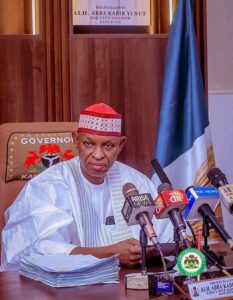
He also cited information from a source who allegedly said that Ibrahim Adam, Special Adviser to the Kano State Governor on Information, confirmed plans to demolish the facility.
The cleric further alleged that there had already been attempts to interfere with his records. He said that on one occasion, the locks on his cell were broken while he was away.
Abduljabbar also raised concerns about how some of the court proceedings were translated. He accused officials in the Appeal and Translation Department of “gross manipulation” and “poor translation.”
According to him, he discovered three different versions of the official record of proceedings sent to the appeal court. He said the documents, which run into 3,939 pages, contain different serial numbers and acknowledgements.
He argued that the differences in the documents could mislead the court.
Abduljabbar also insisted that his case is an “Academic Exercise Case,” saying it should fall under the authority of universities rather than regular courts under the Nigerian Constitution.
He asked the President of the Court of Appeal to ensure that the documents linked to his case are protected and to review what he described as distorted translations of his Hausa-language legal arguments and other exhibits.