



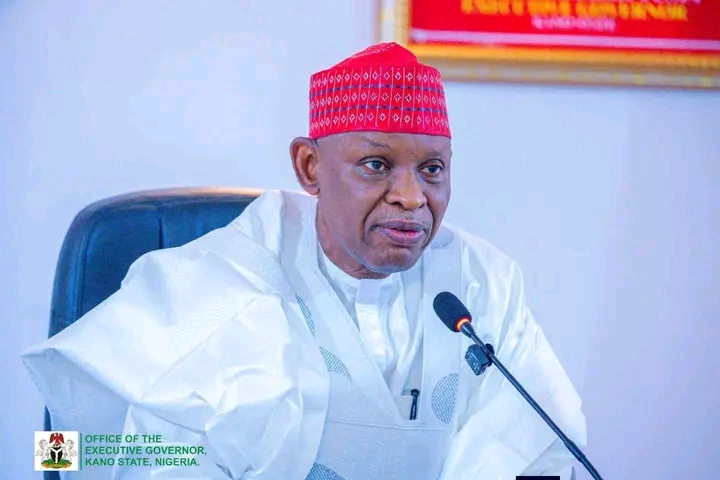

A former Governor of Kano, Abdullahi Umar Ganduje, has urged governors, development partners, and philanthropists to invest more in persons with disabilities (PWDs) as a strategy to curb street begging across Northern Nigeria.
Ganduje made the call on Friday in Abuja at the premiere marking 10 years of Let’s Talk Humanity Initiative, an organisation dedicated to supporting the education of deaf and blind persons.
Ganduje stressed that greater investment in education and assistive technology would empower PWDs to become self-reliant and productive members of society, rather than resorting to begging.
According to him, the widespread neglect of persons with disabilities in the region has contributed significantly to the growing number of street beggars. He described the situation as troubling, noting that many affected individuals are forced to live in harsh conditions.
However, Ganduje expressed optimism that initiatives like Let’s Talk Humanity signal a “silent revolution” in disability inclusion.
He said that if such models are widely adopted by state governments and partners, they could transform lives and reduce poverty among PWDs.
He added that proper support would not only restore dignity and confidence among persons with disabilities but also enable them to excel, with some even becoming employers of labour.
The former governor also commended the founder of the initiative, Fatima Ganduje Abiola-Ajumobi, for her sustained commitment to improving access to education for vulnerable groups.
Also speaking, the Minister of Humanitarian Affairs and Disaster Management, Bernard M. Doro, emphasised the need for inclusive planning in technology and policy development.
He noted that accessibility should be integrated from the design stage, rather than considered an afterthought, stressing that the inclusion of persons with disabilities is a societal obligation.
In her remarks, Mrs. Fatima Ganduje Abiola-Ajumobi said the organisation has supported about 1,000 beneficiaries annually since its inception in 2015, focusing on education, assistive technology, and advocacy.
She called for stronger partnerships and support to expand the initiative’s impact, revealing plans to establish a national resource centre for people with sensory impairments, aimed at leveraging global expertise and resources.
The event drew stakeholders from government, the education sector, and the disability community, highlighting growing awareness of the need for inclusive development in Nigeria.